Tips for controlling fleas in pets: Regular brushing and housekeeping:
1.Keep your home clean by vacuuming floors and furniture regularly. Fleas and their eggs can hide in carpets, upholstered furniture and other fabric surfaces.
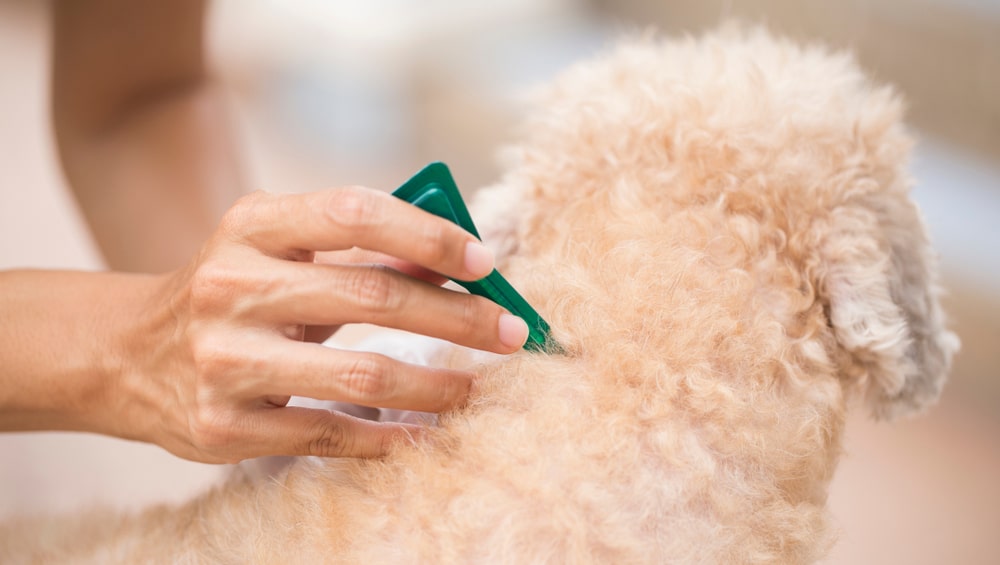
2.Anti-flea products: Use special shampoos, drops, collars or flea tablets intended for animals. Be sure to consult your veterinarian before use.
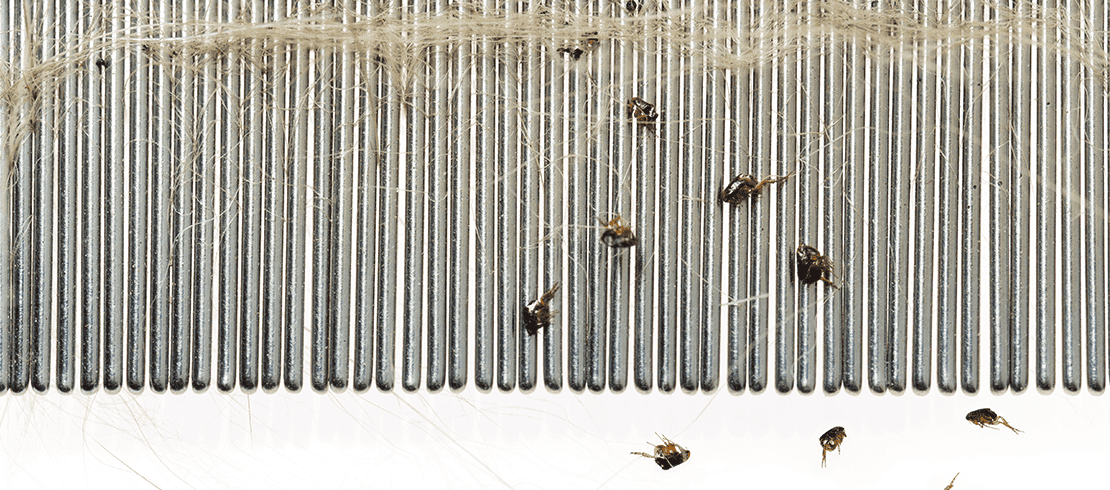
3.Frequent Brushing: Use a flea comb to brush your pet's fur regularly. This helps remove fleas and their eggs.
4.Cleaning the Environment: Treat areas where your pet frequents with a household insecticide. This may include rugs, pillows, and pet resting areas.
5.Consult your veterinarian: If the problem persists, be sure to consult your veterinarian. They will be able to offer personalized recommendations for your pet and the environment.
Benefits of fleas on animals:
- Fleas as an Indicator of Problems: The presence of fleas may indicate other health problems in the animal, such as allergies, nutritional disorders or skin diseases.
- Natural Behavior: Animals may use scratching and licking as natural methods of itch control, which can promote self-cleaning and grooming.
Disadvantages of fleas in animals:
- Itching and discomfort: Fleas cause intense itching, which can lead to constant scratching and licking, damaging the animal's skin and fur.
- Potential Diseases: Fleas carry a variety of diseases, such as allergies, worms and other infections, which increases your pet's risk of disease.
- Health Risk for Owners: Fleas can pass from animal to person, creating the risk of contracting diseases such as flea bites or allergic reactions.
- Large populations: Fleas can multiply quickly, causing problems for all animals in the home and making them difficult to control.
Fleas can have negative effects on a variety of animal species, but the impact may be more pronounced in some.
Dogs and cats:
- Fleas can cause intense itching, discomfort and allergic reactions.
- Dogs and cats, especially those with allergies to flea bites, may exhibit severe symptoms such as skin rashes, hair loss and inflammation.
Small rodents (hamsters, rabbits, etc.):
- Fleas can also attack small rodents, causing itching, scratching and inflammation of the skin.
- Flea infestations can become especially problematic in these animals due to their small size and more sensitive skin.
Birds:
- Although fleas generally prefer the blood of mammals, they can also attack birds, causing itching, stress and even anemia in chicks.
Horses:
- Fleas rarely attack horses, but when they do, they can cause itching and irritation of the skin.
In general, the impact of fleas on an animal can depend on the severity of the infection, the sensitivity of the animal, its age, general health and allergies. Regardless of the type of animal, it is important to contact your veterinarian when you notice a flea problem to develop an effective treatment and prevention plan.
Riding a dog of fleas is a common concern for pet owners, as these tiny, blood-sucking parasites can cause discomfort and health issues for dogs. Fleas are not only a nuisance for your furry friend but can also infest your home if not dealt with promptly. In this comprehensive guide, we will explore various methods for effectively getting rid of fleas on dogs, covering prevention, natural remedies, and the use of commercial products.
Understanding the Flea Life Cycle (200 words):
To effectively combat fleas, it's essential to understand their life cycle. Fleas undergo a four-stage life cycle: egg, larva, pupa, and adult. Adult fleas feed on blood, lay eggs on the host (your dog), and the eggs fall off into the environment. Larvae hatch from the eggs, pupate, and eventually emerge as adult fleas, starting the cycle anew. Targeting multiple stages of the flea life cycle is crucial for successful eradication.
Prevention is Key (300 words):
Preventing fleas is often easier than treating an infestation. Regular grooming, maintaining a clean living environment, and using preventive measures can help keep fleas at bay. Consult your veterinarian for advice on suitable flea prevention products for your dog, such as topical treatments, oral medications, or flea collars.
Natural Remedies (600 words):
Regular Bathing and Grooming (200 words): Bathing your dog with a gentle, flea-repelling shampoo can help eliminate adult fleas. Be sure to use a shampoo specifically designed for dogs, as human shampoos may be too harsh. Grooming your dog with a fine-toothed flea comb can help remove adult fleas and their eggs.
Diatomaceous Earth (DE) (200 words): Food-grade diatomaceous earth is a natural powder that can be sprinkled on your dog's coat and bedding. DE has microscopic sharp edges that cut into the exoskeleton of fleas, causing them to dehydrate and die. It's essential to use food-grade DE, as other forms may be harmful to pets.
Apple Cider Vinegar (ACV) (200 words): Some pet owners use a diluted solution of apple cider vinegar as a natural flea repellent. Mixing equal parts ACV and water and spraying it on your dog's coat may help repel fleas. However, this method may not be suitable for all dogs, and it's crucial to monitor for any adverse reactions.
Essential Oils (200 words): Certain essential oils, such as lavender, peppermint, and eucalyptus, are known for their flea-repelling properties. Dilute a few drops of the chosen essential oil in water and spray it on your dog's coat, avoiding sensitive areas like eyes and nose. Consult with your veterinarian to ensure the selected essential oil is safe for your dog.
Commercial Flea Treatments (500 words):
Spot-On Treatments (200 words): Spot-on treatments, such as Frontline and Advantage, are applied directly to your dog's skin, usually between the shoulder blades. These treatments contain chemicals that kill adult fleas and disrupt the flea life cycle. Follow the manufacturer's instructions and consult your veterinarian before use.
Oral Medications (200 words): Oral flea medications, like NexGard and Bravecto, come in the form of chewable tablets. These medications disrupt the flea life cycle by preventing flea eggs from developing into adults. Consult your veterinarian to determine the most suitable oral flea medication for your dog.
Flea Collars (100 words): Flea collars release chemicals that repel and kill fleas. While effective, some collars may have a strong odor, and not all dogs tolerate them well. Choose a collar with ingredients like imidacloprid or flumethrin and ensure it fits snugly but not too tightly around your dog's neck.
Cleaning the Environment (300 words):
Wash Bedding and Vacuuming (150 words): Wash your dog's bedding regularly, using hot water to kill any fleas and their eggs. Vacuuming your home, paying special attention to areas where your dog spends time, can help remove fleas and their larvae from the environment.
Foggers and Sprays (150 words): Flea foggers and sprays are designed to treat the entire home. Follow the manufacturer's instructions carefully, covering food and water bowls, and ensure all family members, including pets, are out of the house during treatment. Vacuum again after using these products to remove any dead fleas and debris.
Dealing with Severe Infestations (300 words):
Professional Pest Control (150 words): In severe infestations, it may be necessary to consult with professional pest control services. They can assess the extent of the infestation and provide targeted treatments to eliminate fleas from your home.
Consulting with Your Veterinarian (150 words): If your dog's flea problem persists despite your efforts, consult with your veterinarian. They can recommend specific products based on your dog's health
Comments
Post a Comment